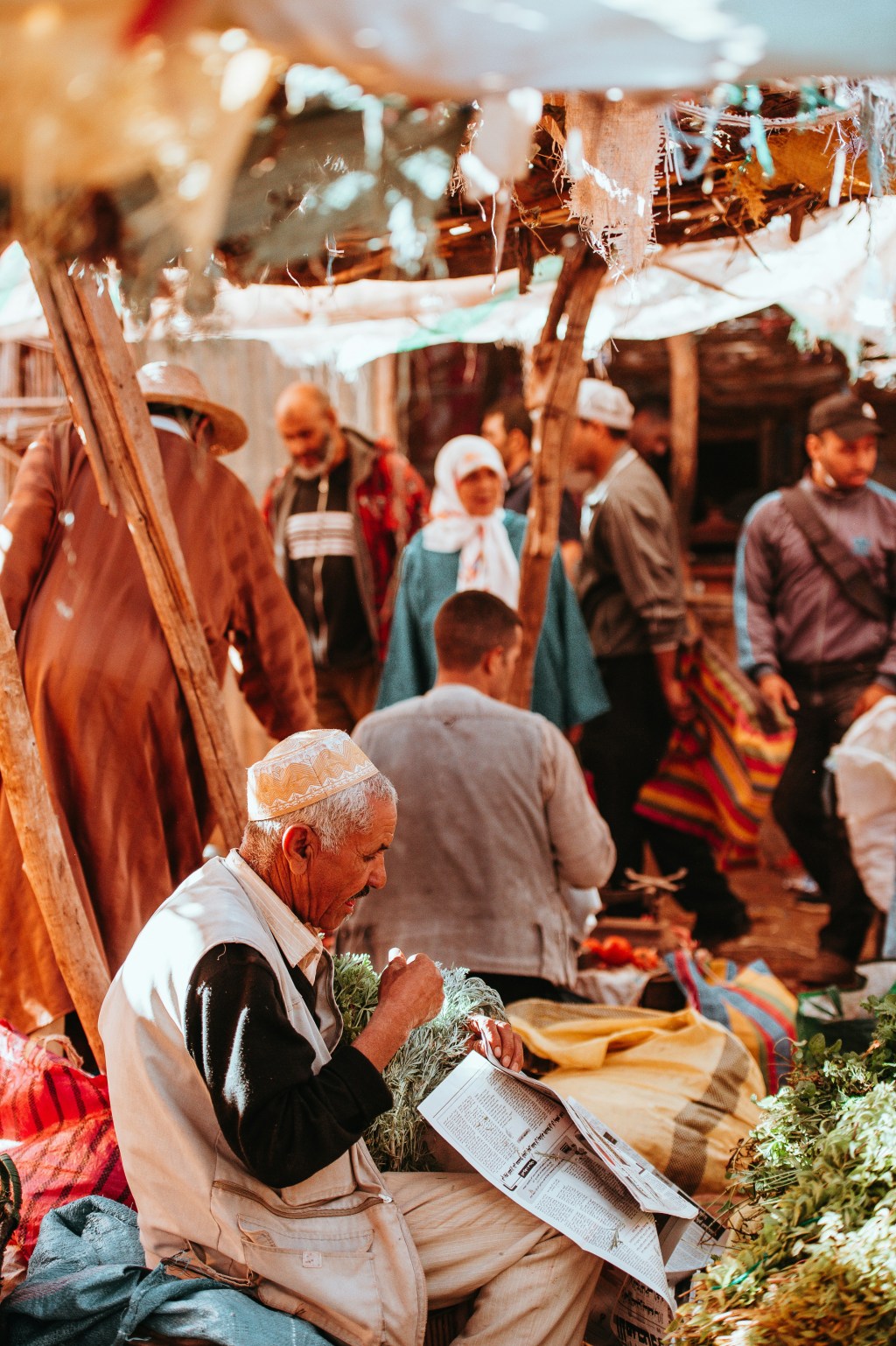
Marrakesh is a city that really deserves to be experienced rather than simply toured. It’s a place where you can spend the morning exploring a 500-year-old palace, wander through a market that feels much as it did centuries ago, enjoy a leisurely lunch on a rooftop, and finish the evening surrounded by music, food, and the energy of one of North Africa’s most fascinating cities.
What makes Marrakesh so special is the contrast. Behind the busy streets and colorful souks, you’ll discover quiet gardens, beautiful riads, extraordinary craftsmanship, and a history that connects Africa, Europe, and the Middle East.
For three days, I’d focus entirely on Marrakesh itself. You can see an enormous amount without ever leaving the city, and I would build the itinerary around three experiences: the historic Medina, the city’s royal heritage and gardens, and the culture and lifestyle that make Marrakesh so captivating today.
First, let’s understand the city you’re visiting
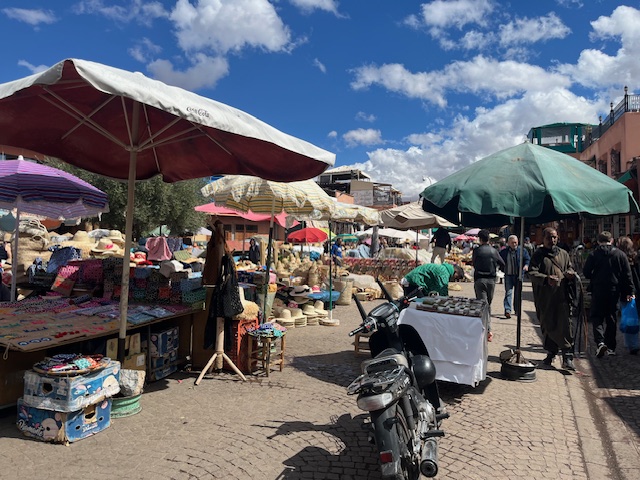
A city built on trade, power, and culture
Marrakesh was founded around 1070 by the Almoravid dynasty, a powerful Berber dynasty that controlled large parts of North Africa and eventually extended its influence into Spain.
Its location was incredibly important. It sat along trading routes connecting the Sahara, West Africa, the Atlas Mountains, and the Mediterranean world. Caravans brought gold, salt, spices, textiles, and other valuable goods through the region.
Marrakesh became a wealthy trading center and an important political and religious capital.
Over the centuries, different dynasties conquered and transformed the city, each leaving its own architectural and cultural legacy.
Just a quick history of Morocco:
- The Almoravids established the city and developed its early infrastructure, gardens, and religious institutions.
- Next up were the Almohads, who took control in the 12th century, expanded the city and built the magnificent Koutoubia Mosque and its famous minaret.
- Then there was the Saadians, who ruled in the 16th and 17th centuries, brought Marrakesh another golden age, building magnificent palaces and royal tombs.
- And finally, the Alaouite dynasty, which still rules Morocco today, continues to shape the city’s royal and architectural identity.
Marrakesh was not always Morocco’s capital, but it repeatedly became one of the country’s most important centers of power.
Why is it called the Red City?
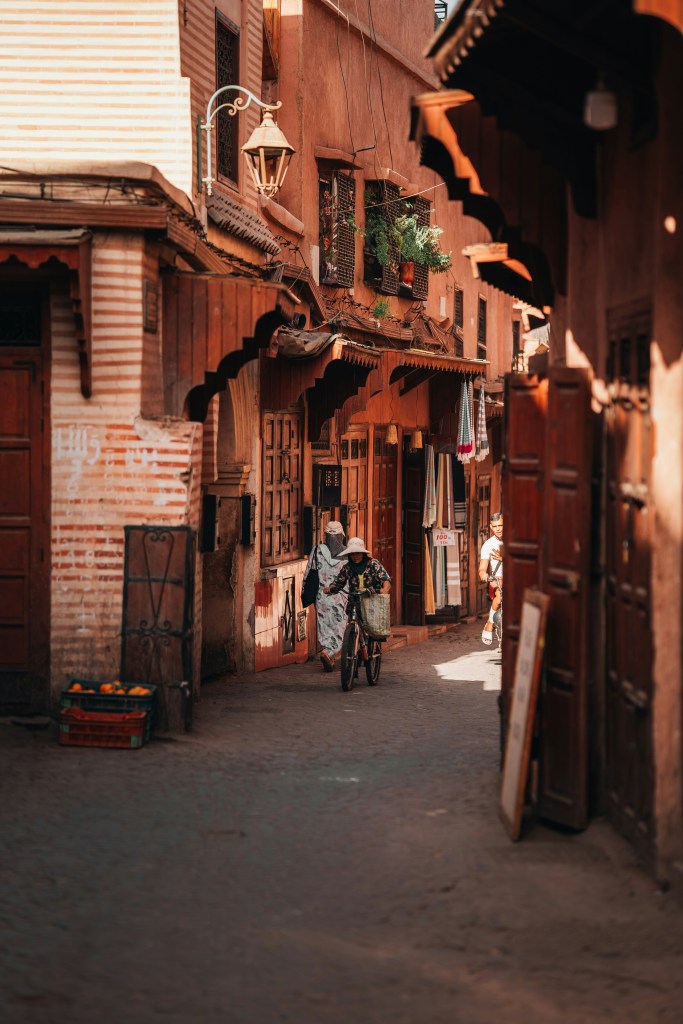
The name comes from the distinctive reddish-pink earth and stone used in many of its buildings and defensive walls.
The color is especially beautiful in the late afternoon, when the sunlight gives the city a warm, almost glowing appearance.
The historic Medina is surrounded by approximately 19 kilometers of ancient walls, with monumental gates that once controlled access to the city.
What makes Marrakesh worth visiting today?
I think the real appeal is that Marrakesh has preserved so much of its traditional character while becoming a fascinating modern destination.
Marrakesh is absolutely worth visiting because it offers an experience unlike almost anywhere else. It’s a city where history, culture, color, and everyday life come together in the most captivating way. Today, you can still feel that history as you wander through the ancient walled Medina, explore magnificent royal palaces, admire intricate Moroccan architecture, and lose yourself in the bustling souks filled with spices, handmade rugs, leather goods, and beautiful crafts.
Marrakesh isn’t just about its history; it’s also about the atmosphere. The scent of spices, the sound of street musicians, the call to prayer echoing across the rooftops, the beauty of hidden gardens, and the lively energy of Jemaa el-Fna square in the evening make the city incredibly immersive. Add in the wonderful Moroccan food, elegant riads, rooftop dining, and traditional hammams, and you have a destination that engages all your senses.
What makes Marrakesh particularly special is that it feels both ancient and alive, offering a fascinating glimpse into a culture that is very different from our own while welcoming you to experience it firsthand.
Day 1 — Get lost in the magic of the old Medina
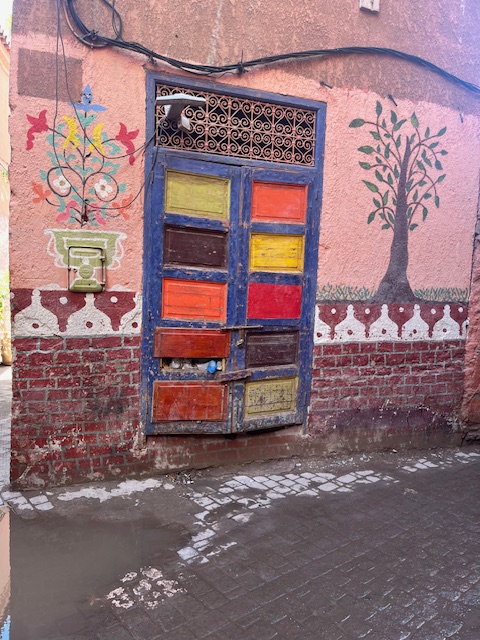
History, traditional markets, Moroccan food, and the unforgettable atmosphere of Marrakesh
This is the day I would spend getting to know the real Marrakesh. The Medina is the historic heart of the city, and its narrow streets, bustling markets, and beautiful buildings are where you’ll feel most connected to its past.
9:00 AM — Start at Jemaa el-Fna
Begin at Jemaa el-Fna, the city’s famous central square.
For centuries, this has been a gathering place for merchants, storytellers, musicians, and travelers. It remains one of the most important public spaces in Morocco.
In the morning, it’s relatively relaxed. Grab a fresh orange juice or mint tea at a rooftop café overlooking the square, and watch the city wake up.
10:00 AM — Wander through the souks
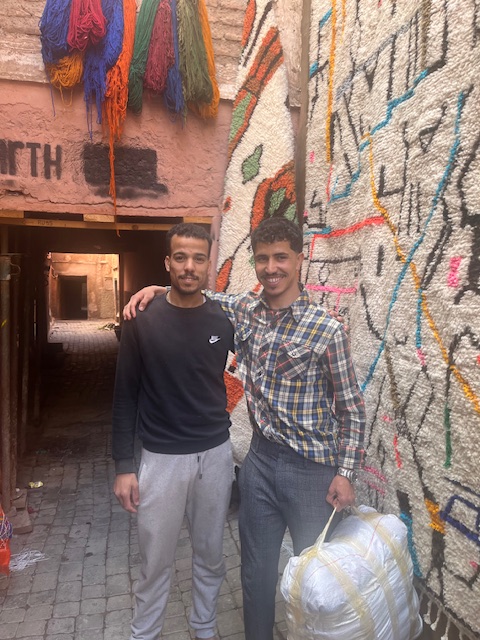
Now head into the maze of traditional markets surrounding the square.
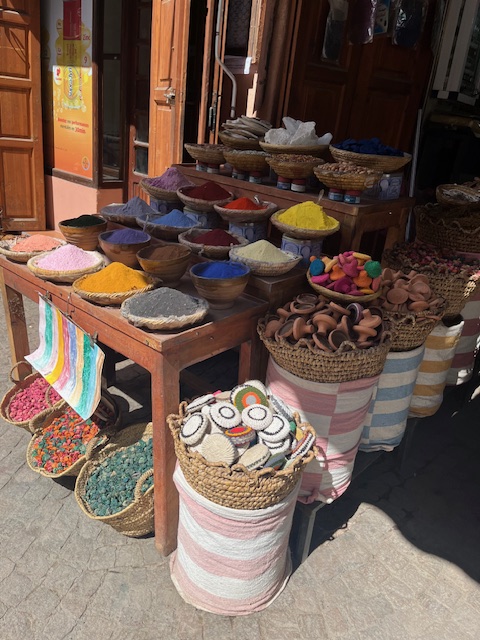
This is where Marrakesh’s history as a trading center really comes to life. You’ll find:
- Beautiful handwoven rugs and textiles (Yes, we bought rugs – thus the very happy guys in the picture above)
- Leather bags and traditional slippers
- Brass lanterns and handmade metalwork
- Spices, saffron, and fragrant herbal mixtures
- Traditional pottery and ceramics
Many of these crafts have been practiced for generations. Watch the artisans working, enjoy the colors and smells, and don’t feel pressured to buy anything.
Allow yourself a couple of hours to explore. The best discoveries often happen when you turn down a little side street you weren’t planning to visit.
12:30 PM — Lunch on a rooftop
Find a restaurant with a terrace overlooking the Medina.
I’d recommend trying a chicken tagine with preserved lemon and olives, accompanied by Moroccan bread and mint tea.
This is the perfect time to slow down and appreciate the contrast between the lively streets below and the peaceful rooftop above.
2:00 PM — Visit Ben Youssef Madrasa
Visit Ben Youssef Madrasa.
This former Islamic college dates back to the 14th century and was rebuilt in the 16th century. At its height, it housed hundreds of students studying Islamic theology and other subjects.
The courtyard is extraordinary, with intricate geometric tiles, carved cedarwood, delicate plasterwork, and a reflecting pool.
What I find particularly interesting is that this wasn’t simply a beautiful building. It was a place of education, scholarship, and religious life, giving you a glimpse into the intellectual history of Marrakesh.
3:30 PM — Take a break at Le Jardin Secret
Next, visit Le Jardin Secret.
This restored historic palace garden is a peaceful oasis hidden inside the Medina.
Moroccan gardens were traditionally designed as places of tranquility, with water, shade, and greenery offering relief from the heat and bustle outside.
It’s a wonderful place to sit, enjoy a drink, and take a break from sightseeing.
5:30 PM — Return to Jemaa el-Fna for sunset
This is when I would make sure you are back at the square.
As the sun sets, the atmosphere changes dramatically. Food stalls appear, musicians begin performing, storytellers gather crowds, and the square fills with the sounds and smells of evening life.
Find a rooftop café and watch it all unfold.
7:30 PM — Dinner in the Medina
For dinner, I’d choose somewhere traditional and atmospheric.
Try a lamb tagine with prunes and almonds, or pastilla, a delicate pastry filled with spiced meat and almonds.
Make this a leisurely evening. The atmosphere of Marrakesh after dark is one of the main reasons people fall in love with the city.
Day 2 — Royal palaces, extraordinary architecture, and beautiful gardens
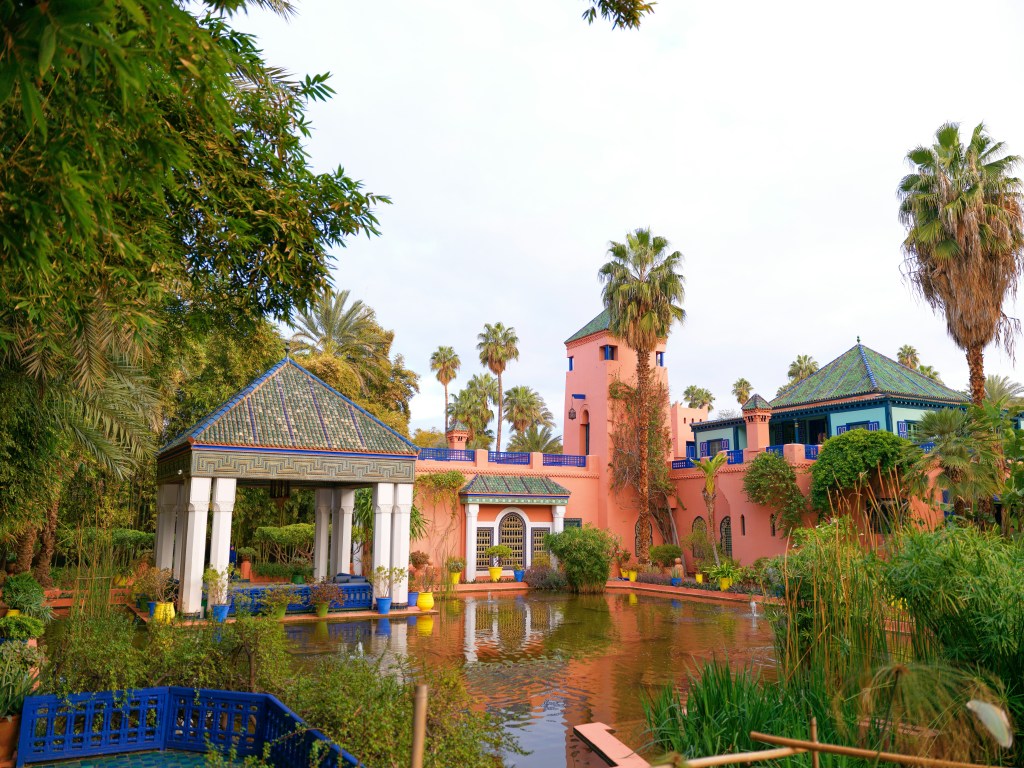
Discover the dynasties that made Marrakesh one of the great imperial cities of Morocco
Today is about understanding the city’s royal history. You’ll see how different rulers used architecture, gardens, and magnificent palaces to express their wealth and power.
9:00 AM — Bahia Palace
Start at Bahia Palace.
Built in the 19th century for a powerful grand vizier, this palace was intended to be one of the most beautiful residences in Morocco.
As you wander through its courtyards and rooms, look for the painted cedar ceilings, intricate plasterwork, colorful tilework, and peaceful gardens.
The palace gives you a wonderful sense of how the wealthy and powerful lived in Marrakesh.
10:30 AM — El Badi Palace
A short walk away is El Badi Palace.
This palace was built in the late 16th century by Sultan Ahmad al-Mansur, during the Saadian dynasty’s golden age.
It was once an extraordinarily lavish complex, decorated with gold, marble, and precious materials. Today, much of it is in ruins, but the enormous courtyard and monumental walls are still impressive.
As you walk through it, imagine what it must have looked like when Marrakesh was a powerful imperial capital.
12:00 PM — The Saadian Tombs
Visit Saadian Tombs.
These royal tombs date primarily to the 16th and 17th centuries. They were sealed off for centuries and rediscovered in the early 20th century.
The marble columns, carved decorations, and beautifully ornamented chambers are remarkable.
This is one of those places where the artistry of Moroccan architecture is especially evident.
1:00 PM — Lunch in the Kasbah
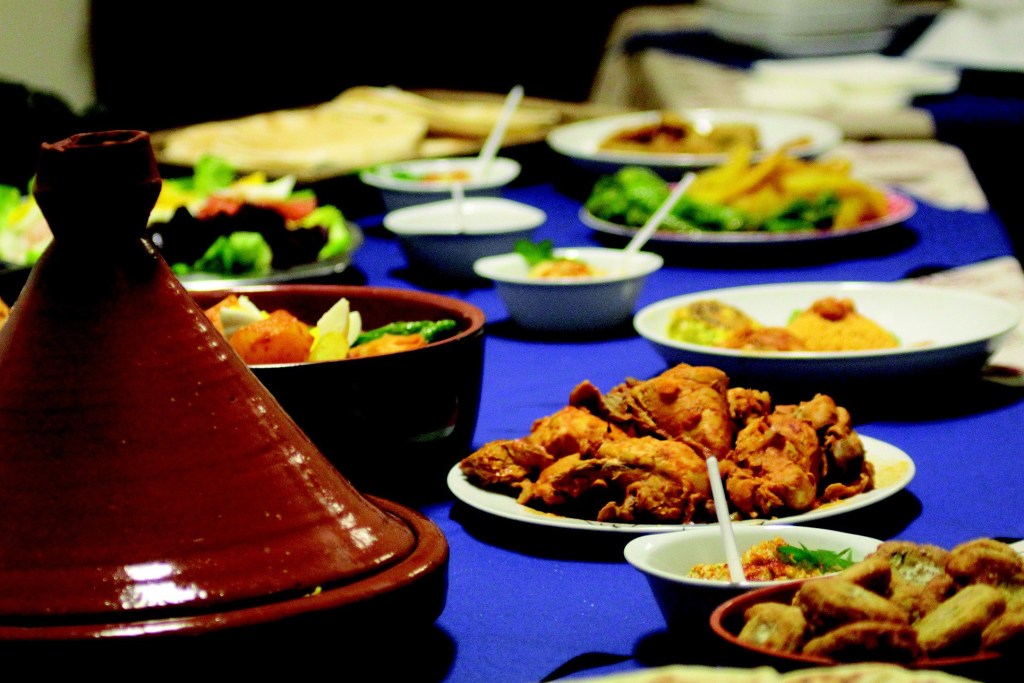
Stay in the southern Medina for lunch.
This neighborhood is a little calmer than the main souks, and it’s a lovely place to enjoy a leisurely Moroccan meal.
If you haven’t tried tanjia yet, this is a good opportunity. It’s a Marrakesh specialty of slow-cooked meat traditionally prepared in a clay vessel.
2:30 PM — Jardin Majorelle
Take a taxi to Jardin Majorelle.
This is one of the most famous gardens in Morocco, created by French painter Jacques Majorelle and later restored by fashion designer Yves Saint Laurent and Pierre Bergé.
The garden is known for its intense cobalt-blue buildings, exotic plants, bamboo, fountains, and beautiful landscaping.
It’s a completely different atmosphere from the Medina, and I think it’s well worth visiting.
A practical tip: Book timed admission in advance through the official Jardin Majorelle website.
4:30 PM — Yves Saint Laurent Museum (optional)
If you enjoy fashion, art, and design, visit the Musée Yves Saint Laurent Marrakech next door.The museum explores the designer’s work and his relationship with Morocco.If fashion isn’t particularly interesting to you, skip it and enjoy the garden a little longer.
6:30 PM — Explore Gueliz
Spend some time in Gueliz. This is the modern side of Marrakesh, with French-influenced boulevards, art galleries, boutiques, and contemporary cafés. It’s fascinating to see how the city has evolved beyond its historic walls while retaining its traditional character.
8:00 PM — Dinner
For a special Moroccan dining experience, consider Dar Zellij. It’s set in a traditional riad, offering an elegant atmosphere and a wonderful contrast to the busy streets outside.
Day 3 — Discover the cultural side of Marrakesh and enjoy a little Moroccan indulgence
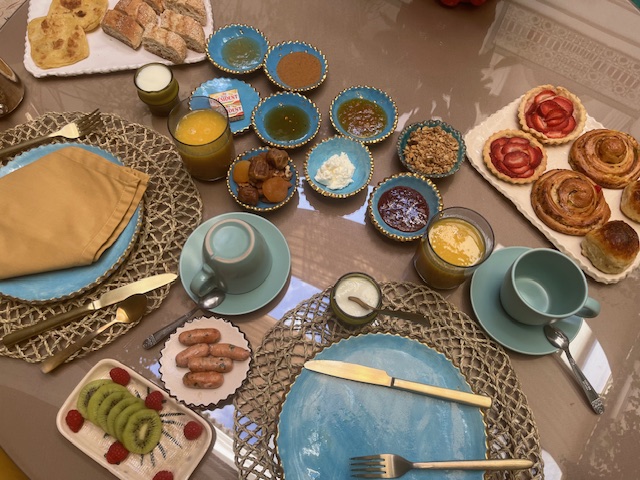
Historic neighborhoods, photography, traditional Moroccan life, and a relaxing final evening
After two busy days, I would make this day a little more relaxed. You’ve already seen the major palaces and gardens, so now it’s time to discover some of the city’s quieter treasures and enjoy the experience of simply being in Marrakesh.
9:00 AM — Dar El Bacha Palace and Museum
Start at Dar El Bacha.
This beautiful palace was built in the early 20th century for Thami El Glaoui, the powerful Pasha of Marrakesh. Its courtyards, fountains, intricate tilework, and ornate rooms offer a wonderful example of Moroccan craftsmanship.
Today, it houses the Museum of Confluences, which explores Moroccan culture and its connections with other parts of the world. The palace is also home to the famous Bacha Coffee café. If you enjoy coffee, this is a lovely place to stop, although it can be popular.
11:00 AM — Explore the Mouassine neighborhood
Walk through the historic Mouassine neighborhood.
This is a wonderful area for discovering the quieter side of the Medina.
You’ll find historic homes, small artisan workshops, traditional shops, and narrow streets that have changed remarkably little over the centuries.The neighborhood is also a good place to appreciate the traditional Moroccan riad.
These houses were designed with private courtyards and gardens at their center, creating peaceful, inward-facing homes that offered privacy and protection from the heat.
12:30 PM — Enjoy a leisurely Moroccan lunch
Find a quiet rooftop café or traditional restaurant.
At this point, I’d suggest trying something you haven’t eaten yet. Moroccan cuisine is one of the real pleasures of visiting Marrakesh, and there’s no need to rush through lunch.
2:00 PM — Maison de la Photographie
Visit Maison de la Photographie.
This small museum features historic photographs of Morocco, including images of Marrakesh and its people from the late 19th and early 20th centuries. I think this is a particularly worthwhile visit because it gives you a visual understanding of how the city has changed over time. It also has a rooftop café where you can enjoy a drink and take in the surrounding rooftops.
3:30 PM — Experience a traditional Moroccan hammam
Now it’s time to relax.
A hammam is a traditional Moroccan bathing ritual involving steam, black soap, exfoliation, and often a massage. It’s an important part of Moroccan culture and a wonderful way to unwind after two days of sightseeing.
For a more polished spa experience, consider Les Bains de Marrakech.
Book your treatment well in advance though. We booked our two weeks before we arrived.
5:30 PM — Return to your riad
Give yourself some time to relax.
Enjoy the courtyard, have a final cup of mint tea, and perhaps take a little time to reflect on what you’ve seen. One of the things I love about the idea of staying in a riad is that you can step out of the busy Medina and into a peaceful, beautiful space almost immediately.
7:30 PM — A memorable farewell dinner
For your final evening, I’d choose a special restaurant in the Medina.
Look for somewhere with traditional Moroccan interiors, beautiful architecture, and perhaps live music. Enjoy one last tagine, Moroccan pastries, and mint tea. After dinner, take a final walk through Jemaa el-Fna. The evening atmosphere is something you’ll remember long after you leave.
So, why would I choose Marrakesh for a three-day visit?
What I find so appealing about Marrakesh is that it offers several different experiences in one city.
You have the extraordinary history of an imperial capital, the beauty of traditional Moroccan architecture, the excitement of the souks, the peacefulness of the gardens, and the pleasure of discovering a different food and cultural tradition.
But what really makes it worth visiting today is that Marrakesh is not simply a museum of its past. It is a living city where that history is still part of everyday life.
When you’re wandering through the souks, you’re walking through a commercial tradition that helped make the city wealthy and powerful nearly a thousand years ago. When you visit the palaces, you’re seeing the legacy of dynasties that shaped Morocco. And when you sit in Jemaa el-Fna in the evening, you’re experiencing a cultural space whose traditions have been recognized by UNESCO as intangible cultural heritage.
My advice is to leave some room for spontaneity. Marrakesh is a city where the unexpected can be just as memorable as the attractions you’ve planned.
And if you can, stay in a traditional riad. It will make the experience feel much more personal and give you a lovely place to retreat to after each day of exploring.

