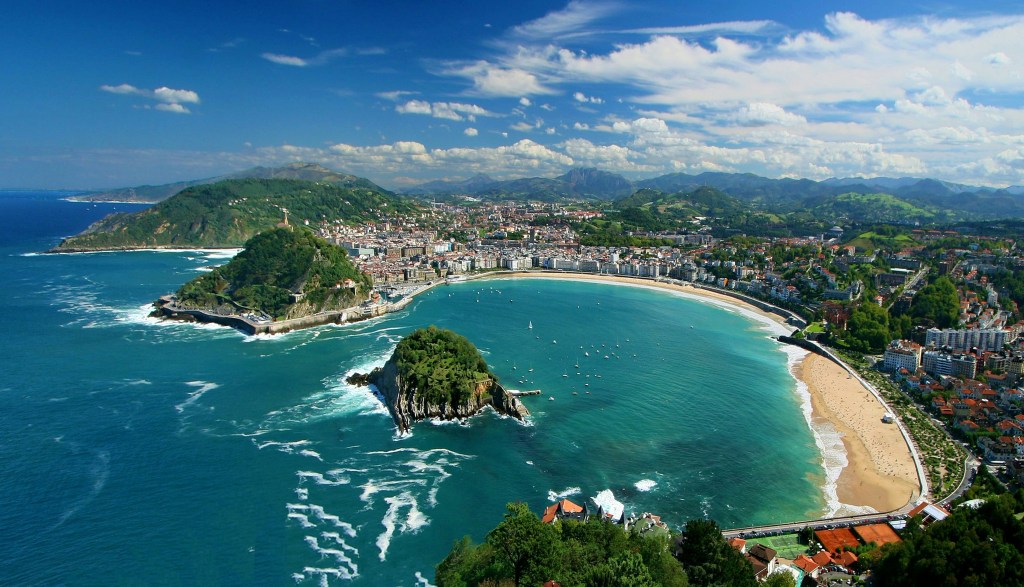
There are cities you visit, cities you photograph, and cities that convince you to abandon your responsibilities, move into a charming apartment with a tiny balcony, and spend the rest of your life debating which restaurant serves the best pintxos (a local version of tapas).
Welcome to San Sebastián, or Donostia, as it’s known in Basque. Tucked along Spain’s spectacular northern coast, just a stone’s throw from the French border, this elegant seaside city combines golden beaches, green hills, Belle Époque architecture, world-class food, and a drinking-and-dining culture that could make even the most disciplined fitness enthusiast reconsider their life choices.
San Sebastián is where surfers share the coastline with sunbathers, Michelin-starred chefs coexist with bartenders balancing mountains of tiny sandwiches, and a casual stroll somehow becomes a three-hour culinary expedition.
We had the pleasure of visiting there recently, and so I’ve put together a San Sebastián guide providing you the highlights that you won’t want to miss if you’re planning a trip to this gorgeous city.
1. Get Lost in Parte Vieja (The Old Town)
If San Sebastián had a beating heart, it would be Parte Vieja, the Old Town. A wonderfully tangled maze of narrow streets, historic buildings, lively bars, and restaurants, it’s the kind of place where you intend to wander for twenty minutes and emerge three hours later, possibly slightly tipsy and carrying a mental list of 47 things you want to eat.
Start around Plaza de la Constitución, a handsome square once used as a bullring. Look closely at the numbered balconies surrounding the plaza: they’re remnants of its former life, when balconies functioned as viewing boxes for spectators. Today, the atmosphere is considerably less dramatic, unless you count trying to secure an outdoor table on a sunny afternoon.
Then do what everyone eventually does: follow the aromas.
The Old Town is famous for its pintxos bars, and hopping between them is practically a civic duty. These small bites range from simple slices of bread topped with anchovies to elaborate creations involving seafood, mushrooms, local cheeses, and sauces that probably require a culinary degree to reproduce.
The golden rule: Don’t order everything in the first bar. Have one or two pintxos, move to another establishment, and repeat. This is called a bar crawl, except your legs do the work and your stomach gets the reward.
2. Master the Art of the Pintxo Crawl
Let’s clarify something important: pintxos are not simply tapas wearing a Basque beret.
They’re a cornerstone of local food culture, and many bars take their creations very seriously. Some are displayed along the counter, while others are prepared to order. You’ll encounter everything from traditional tortilla española to innovative seafood bites and miniature works of edible architecture.
For a first crawl, explore the Old Town and consider stops at these well-known establishments:
- Bar Néstor: Famous for its tortilla and steak. Getting a portion of the much-coveted tortilla can require planning, so don’t assume you can stroll in whenever hunger strikes.
- La Cuchara de San Telmo: Known for inventive hot pintxos, including rich, slow-cooked meat dishes. A good reminder that standing at a bar can be a perfectly respectable dining arrangement.
- Gandarias: A popular choice for classic Basque flavors, grilled meats, and a broad pintxo selection.
- Borda Berri: A favorite for creative hot dishes and deeply satisfying bites.
Order a glass of txakoli, the local white wine, typically served with a lively acidity that pairs beautifully with seafood. Alternatively, try a zurito, a small serving of beer, if you want to pace yourself.
And pace yourself you should. The amateur mistake is treating the first bar like the final stop. By bar number three, you’ll understand why the locals favor small portions and multiple establishments.
Pro tip: Don’t be embarrassed to ask what something is. Pointing at an unfamiliar pintxo and saying, “What is that?” is infinitely better than accidentally ordering something you can’t identify and pretending you love it.
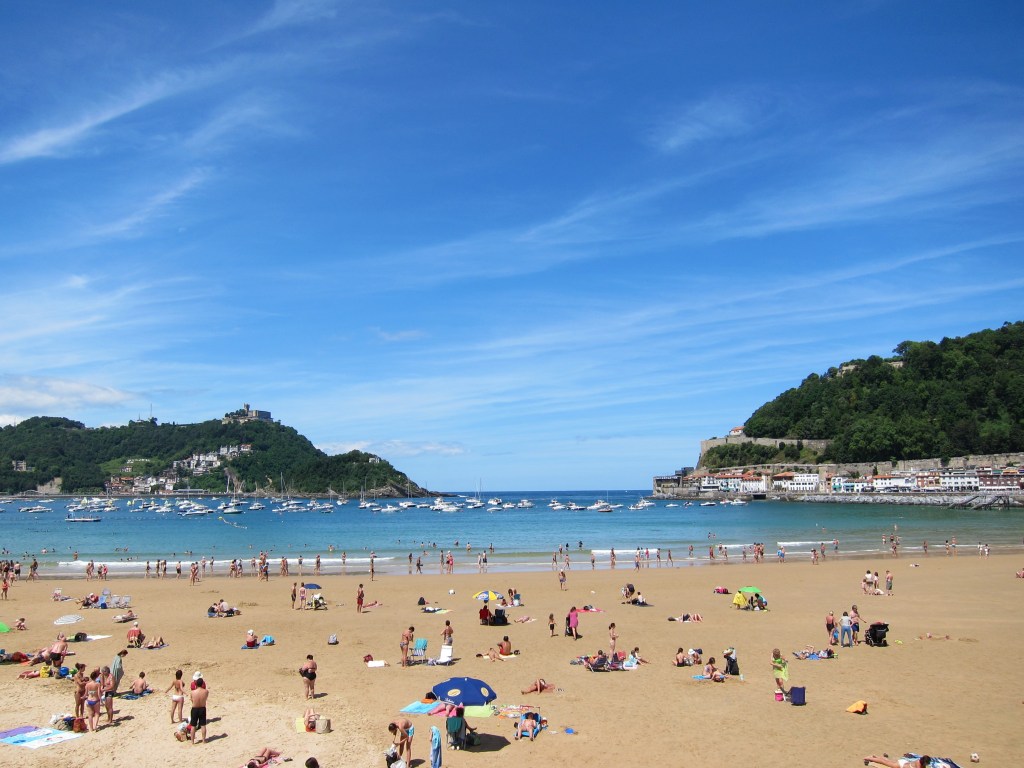
Image by MeganY from Pixabay
3. Spend a Few Hours at La Concha Beach
La Concha is the postcard beach, the Instagram beach, and the beach that makes you question why your hometown’s waterfront has so many parking lots.
Its elegant crescent of pale sand curves around a beautiful sheltered bay, framed by green hills and graceful buildings. Even on a cloudy day, it’s stunning. On a sunny day, it’s downright unfair to other cities.
Walk along the promenade, admire the bay, and watch the locals who somehow manage to look effortlessly stylish while doing absolutely nothing.
If the weather cooperates, rent a paddleboard or kayak, take a swim, or simply spread out a towel and enjoy the view. The water can be chilly, even in summer, so consider that your complimentary full-body wake-up call.
The beach is also perfect for a long stroll at sunset. Bring a light jacket: northern Spain has a way of reminding you that sunshine is a privilege, not a contractual obligation.
One more thing: La Concha is popular for a reason. In peak summer, arrive earlier if you want a prime spot on the sand rather than a narrow patch between two families equipped for a three-week expedition.
4. Cross Over to Santa Clara Island
Sitting in the middle of La Concha Bay, Santa Clara Island looks as though someone placed it there specifically to improve an already excellent view.
In summer, boats shuttle visitors across the water, making it a fun addition to a beach day. Depending on conditions and seasonal services, you may find swimming areas, walking paths, and places to relax.
The island is small, so don’t expect a wilderness expedition. Think more along the lines of a mini-adventure with excellent scenery and a very reasonable chance of taking too many photographs.
If you’re feeling energetic, kayaking to the island can be another option when sea conditions and rental arrangements permit. Just be realistic about your swimming ability and check the weather before heading out.
And remember: the island may look close enough to swim to, but so does the other side of a swimming pool and if you’re tired or don’t have the true capability to make the swim, it can become dangerous. My suggestion: take the boat unless you’re properly equipped and confident in the conditions and your capabilities.
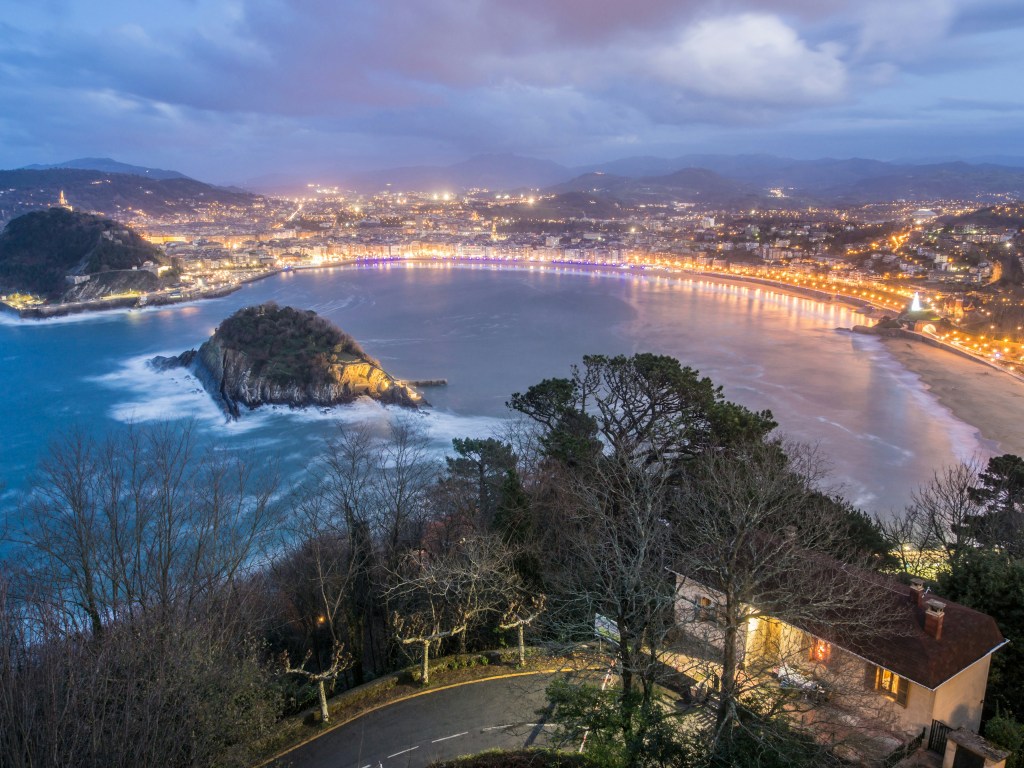
5. Climb Monte Igueldo for the Best Views
If you only make one effort to get above street level, make it this one.
Monte Igueldo rises above the western end of La Concha Bay, offering sweeping views over the city, the beaches, and the deep blue curve of the coastline.
One of the most enjoyable ways to reach the summit is the historic funicular railway, which has been carrying visitors uphill since 1912. The ride itself is part of the experience, and the old-fashioned charm is a welcome change from another modern elevator.
At the top, you’ll find panoramic viewpoints and a vintage-style amusement park. The rides are relatively old-school, which is part of their appeal. You don’t need a giant roller coaster when you have a spectacular bay spread out beneath you.
Go on a clear day if possible. Late afternoon is particularly lovely, when the light softens and the city begins to glow.
Insider tip: Check the funicular and amusement park opening times before visiting, especially outside the main tourist season. A magnificent view is still magnificent when you walk up, but considerably less charming if you weren’t planning on the exercise.
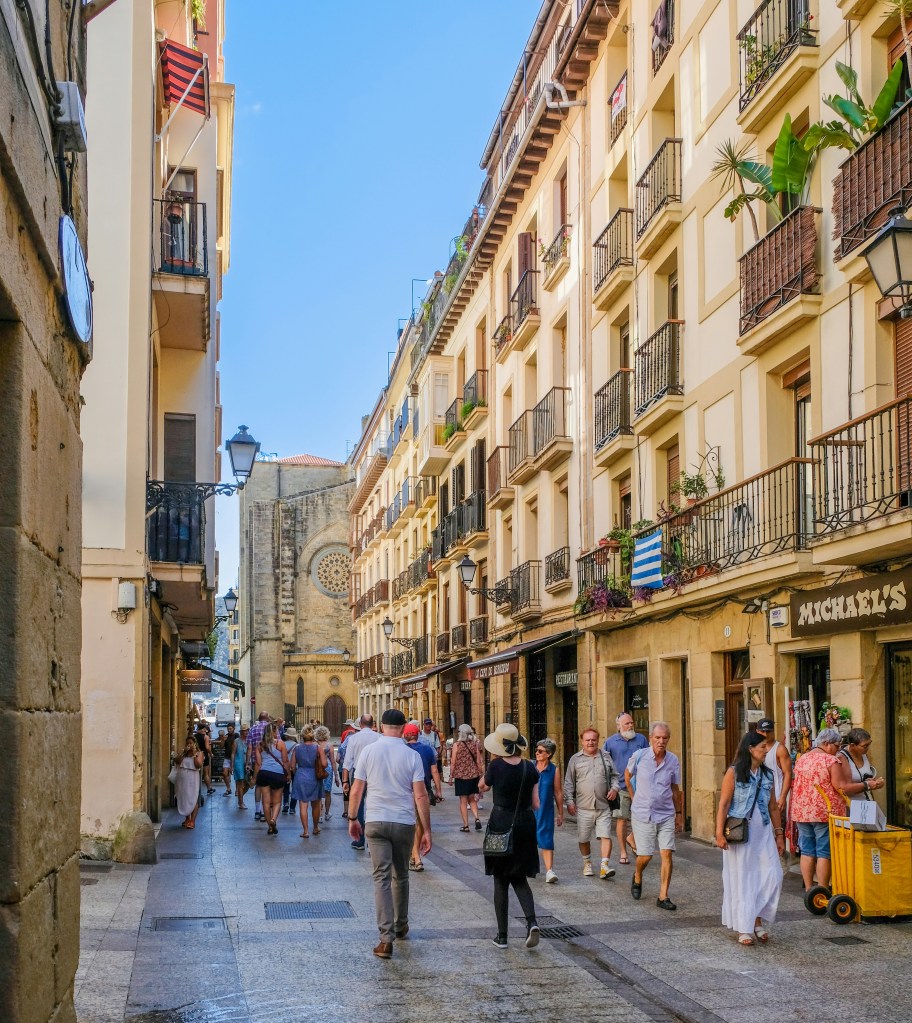
6. Wander the Elegant Centro and Romantic Area
San Sebastián isn’t all beach towels and pintxos counters. Its central districts reveal a more polished side of the city, with grand buildings, leafy streets, boutiques, cafés, and handsome squares.
We spent endless hours just walking through the Centro district to admire the architecture, browse the shops, and make some pit-stops for coffee. I particularly would recommend that you explore the Romantic Area, whose late-19th-century buildings reflect the city’s transformation into a fashionable seaside resort.
Look out for the Cathedral of the Good Shepherd, an impressive neo-Gothic landmark with a striking spire. Nearby, the city becomes a pleasant mix of everyday local life and elegant European charm.
For a break, find a café terrace and order a coffee with something sweet. Basque cheesecake is an obvious choice, but don’t feel obliged to stop at just cheesecake. The city’s bakeries have plenty of other temptations.
The best way to explore this area is without a rigid agenda. Wander, browse, sit down, and repeat.
7. Stroll Along the Harbor and Visit the Aquarium
San Sebastián’s fishing harbor is a lovely place to slow down. Colorful boats bob on the water, restaurants line the waterfront, and the surrounding scenery makes even a simple walk feel cinematic.
Nearby, the San Sebastián Aquarium offers an interesting diversion, particularly for families or anyone fascinated by marine life. Its exhibits explore the region’s maritime history and underwater ecosystems, with an ocean tunnel that allows you to observe marine animals from a different perspective.
The aquarium sits near the harbor at the base of Monte Urgull, making it easy to combine with an Old Town stroll.
Afterward, sit beside the water and watch the boats. It’s a surprisingly effective way to spend half an hour doing absolutely nothing productive.
And if you find yourself thinking that life would be better with a little fishing boat and a waterfront apartment, congratulations. San Sebastián has successfully worked its magic.
8. Cross the River to Zurriola Beach
While La Concha is the elegant, glamorous beach, Zurriola is its younger, more athletic cousin.
Located in the Gros district, Zurriola attracts surfers and bodyboarders.
The waves are generally stronger here than at La Concha, making it a popular surfing spot. Beginners can look into local surf schools, while experienced surfers can assess the conditions and head out when it’s safe.
Not interested in surfing? No problem. Grab a coffee, stroll the promenade, or watch the action from the sand. Surfing is almost as fun to watch as it is to do.
The surrounding Gros neighborhood has a youthful atmosphere, with independent shops, cafés, and bars. It’s also an excellent place to explore if you want to experience a slightly less formal side of San Sebastián.
The Gros area is where we stayed and we enjoyed this area tremendously, but just know it is a bit of a walk to get into Old Town.
Pro Tip: You must use a taxi stand to get a taxi in San Sebastián – you cannot hail a cab in the city limits, and there are limited ride-share opportunities available. We learned the hard way on this one, so be advised and plan ahead.
Spend an afternoon here, and you may discover that your ideal holiday activity is simply sitting in the sunshine watching other people exercise.

9. Eat Basque Cheesecake. Then Eat It Again.
Let’s discuss the dessert that has conquered restaurant menus around the world: Basque cheesecake.
Unlike the tidy, pale cheesecakes you may know, the Basque version has a deeply browned, almost burnt exterior and a soft, creamy center. It’s rich without being overly fussy, and it doesn’t need a biscuit base to justify its existence.
San Sebastián is widely associated with this style of cheesecake, and La Viña in the Old Town is the celebrated place to try it.
Order a slice. Eat it slowly. Consider sharing it. Then discover that the person you were going to share it with has somehow finished theirs first.
Basque cheesecake is available throughout the city, and it’s worth trying versions at different establishments. Texture, sweetness, and how soft the center remains can vary.
For the full experience, enjoy it after a meal with coffee or a small glass of dessert wine.
Here’s our choice for the BEST cheesecake in San Sebastián: Garage Cheesecake in the Gros neighborhood (across the bridge near Zurriola Beach) or Baask Cheesecakers (near De Okendo Plaza). We liked both of them, but I think Garage Cheesecake, took the cake, in my humble opion.
10. Visit a Michelin-Starred Restaurant (If Your Budget Allows)
San Sebastián is one of the world’s great gastronomic destinations, with an extraordinary concentration of Michelin-starred restaurants. For food lovers, this is the equivalent of visiting a major art museum—except you can eat the exhibits.
Consider these renowned restaurants:
- Arzak — A celebrated name in modern Basque cuisine, known for imaginative tasting menus.
- Akelarre — A destination restaurant with spectacular coastal views and sophisticated cuisine.
- Mugaritz — Known for experimental, thought-provoking dining that can challenge your idea of what food should be.
These are special-occasion experiences, not necessarily spontaneous lunch stops. Reservations, menus, and prices vary, so check the details before committing.
And remember, you don’t need a Michelin star to eat exceptionally well here. Some of the city’s most memorable meals happen at unpretentious bars, where the biggest decision is whether to order another pintxo or move to the next place.
In San Sebastián, a humble anchovy can compete surprisingly well with an elaborate tasting menu.
11. Discover the Basque Language and Culture
The Basque Country has a distinct cultural identity, and its language, Euskara, is unlike Spanish or French. In fact, its origins remain uncertain, and it is not closely related to the other major languages spoken in western Europe.
You’ll see both San Sebastián and Donostia used for the city, along with Basque names on street signs, menus, and public information.
A few words can make your visit more enjoyable:
- Kaixo: Hello.
- Eskerrik asko: Thank you very much.
- Agur: Goodbye.
Don’t worry if your pronunciation isn’t perfect. A sincere attempt is usually appreciated, and nobody expects you to become fluent before ordering a glass of wine.
Basque culture is also reflected in local sports, traditional music, architecture, and food. If you have the opportunity to watch a game of pelota or attend a local festival, you’ll get a glimpse of a side of the region that goes beyond the beaches and restaurants.
The key is curiosity. Ask questions, observe local customs, and remember that you’re visiting a place with its own history and identity—not simply a pretty corner of Spain.
12. Shop, Sip Coffee, and Enjoy the Art of Doing Very Little
Not every holiday activity needs to be an official attraction.
One of San Sebastián’s greatest pleasures is simply living like a local for a few hours. Browse the boutiques around Centro, find a bakery, sit at an outdoor café, and watch the city go about its business.
If you enjoy markets, look for local food markets such as Mercado de la Bretxa, where you can discover regional produce and everyday ingredients. Opening hours and the number of operating stalls can vary, so check before making a special trip.
Try local specialties such as Idiazabal cheese, Basque cider, fresh seafood, and seasonal produce. If you’re visiting in autumn, look out for mushrooms and other seasonal dishes.
And do not underestimate the restorative power of a long lunch.
In many places, lunch is something you squeeze between activities. In San Sebastián, lunch can quite reasonably become the activity.
Order another coffee. Have dessert. Discuss the day’s plans. Then abandon those plans because the table is in the sunshine and the view is lovely.
You can visit the museum tomorrow.
13. Experience San Sebastián After Dark
As evening approaches, the city takes on a different character. The waterfront glows, restaurant terraces fill, and the Old Town becomes a lively network of conversations, clinking glasses, and people debating where to eat next.
Begin with a sunset walk along La Concha. Then head into Parte Vieja for a final pintxo crawl—or, if your appetite has finally surrendered, a proper sit-down dinner.
For a different atmosphere, explore Gros, where you’ll find a lively mix of bars and casual restaurants. The best choice depends on whether you’re after wine and conversation, cocktails, live music, or another round of pintxos.
You could also look into cultural events and performances during your stay. The city hosts festivals throughout the year, including the internationally known San Sebastián International Film Festival in September and the lively Tamborrada celebration in January.
Check the event calendar for your dates, as festivals can change the city’s atmosphere, accommodation prices, and restaurant availability.
One final piece of advice: don’t plan an ambitious early-morning hike after announcing that you’ll have just one glass of txakoli. San Sebastián has heard that promise before.
Your practical guide to visiting San Sebastián
When to visit
Late spring and early autumn are excellent for a combination of pleasant weather and sightseeing. Summer offers beach life and long evenings but brings more visitors. Northern Spain can be rainy at any time of year, so pack a light waterproof jacket.
Getting around
The central city is very walkable. Comfortable shoes are essential for the hills, beaches, and cobbled streets. Local buses are useful for longer journeys, and taxis can help when your feet have filed a formal complaint.
Meal times
Lunch and dinner tend to be later than in northern Europe and the United States. Some restaurants open only for specific service periods, so check hours rather than assuming you can have a full dinner at 6 p.m.
Budget
Pintxos bars offer flexibility, from relatively inexpensive snacks to premium dishes. Fine dining, beachfront accommodation, and peak-season travel can be expensive. You can enjoy the city without a Michelin-star budget, but eating everything you see will require some financial discipline.
What to pack
Comfortable walking shoes, layers, a compact umbrella or rain jacket, swimwear in warmer months, and a little extra room in your luggage for the inevitable food souvenirs.
A suggested three-day itinerary
If you’re short on time, here’s a simple way to enjoy the highlights without turning your holiday into an endurance event.
Day 1
Old Town, pintxos, and La Concha
Explore Parte Vieja, visit Plaza de la Constitución, sample pintxos at two or three bars, and spend the afternoon walking along La Concha. Finish with Basque cheesecake and a leisurely evening in town.
Day 2
Views, surfing, and local neighborhoods
Take the funicular up Monte Igueldo, explore the harbor and aquarium, then cross to Zurriola Beach and the Gros district. Spend the evening trying another set of pintxo bars.
Day 3
Monte Urgull or a coastal escape
Start with a walk up Monte Urgull, followed by coffee and shopping in Centro. Alternatively, spend the day in Getaria or Hondarribia for coastal scenery and a long seafood lunch.
The final word: Why San Sebastián stays with you
San Sebastián is more than a beautiful beach town or a destination for serious food enthusiasts. It’s a city that makes everyday pleasures feel extraordinary.
A walk becomes an event because the views are so lovely. A snack becomes a culinary adventure because the local food culture is so inventive. A quick drink becomes an evening because the atmosphere makes you reluctant to leave.
It’s elegant without being stuffy, lively without needing to shout about it, and sophisticated without requiring you to understand a tasting menu written like a scientific thesis.
The best way to experience San Sebastián is to mix a little sightseeing with a lot of wandering. Climb the hills, explore the neighborhoods, spend time by the sea, and eat your way through the Old Town.
And when someone asks what you did during your visit, you may find that your answer is surprisingly simple:
You walked. You ate. You drank. You admired the view. Then you ate again.
Honestly, that’s a pretty excellent holiday.
One last tip: Leave a little space in your itinerary—and in your stomach. In San Sebastián, the best discovery of the day is often the place you stumble upon while looking for somewhere else.
And if you return home with a new appreciation for anchovies, a recipe for Basque cheesecake, and an inexplicable desire to move to northern Spain (as we have moved to northern Portugal), don’t say you weren’t warned. Topa!

